Why Desaturated Tones Win in Bangalore Monsoon Light
The Visual Collision of Light and Pigment
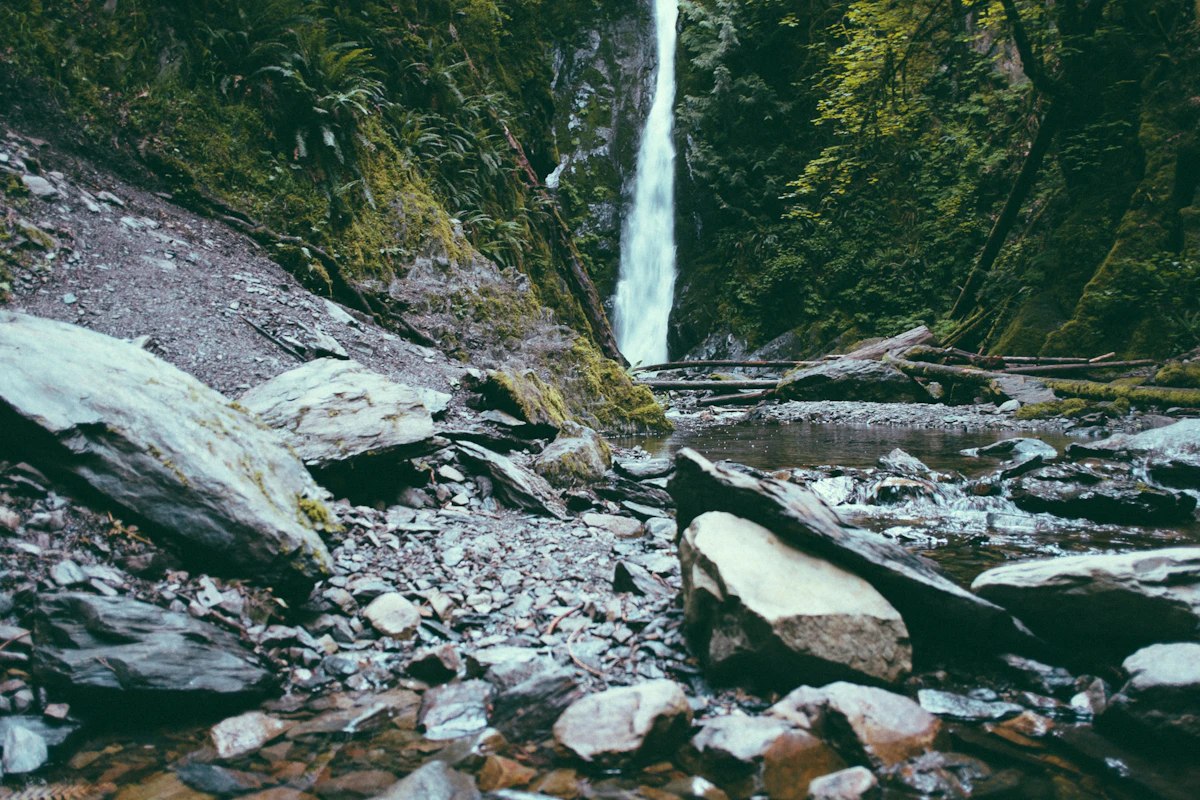
When the monsoon clouds break over Indiranagar on a grey July afternoon, the world shifts. The saturation drops out of the sky, turning the city into a series of slate, charcoal, and muted stone tones. In this light, neon hues or jarring primary colors clash; they look synthetic against the damp concrete and the softened atmosphere. We designed our palette at STRAYED to work with this reality. By utilizing muted earth tones, stone grays, and washed blacks, our clothing adopts a visual weight that harmonizes with the environment. There is a distinct psychological comfort in knowing your aesthetic isn't fighting the weather. When you step out in a core piece from our Tops collection, you are wearing a color theory that respects the architectural reality of an Indian monsoon. You stop feeling like an outsider in your own city.
Why Material Density Trumps Color Noise
Loud branding and vibrant dyes are often used to distract from subpar fabric. When you walk past a storefront in Brigade Road, you see thin, lightweight t-shirts that cling to the skin the moment the humidity hits eighty percent. At STRAYED, our approach is strictly structural. We use 240 GSM combed ring-spun cotton because it possesses the density required to maintain its shape, regardless of the moisture in the air. The weight of the fabric is the primary design feature, with the desaturated color serving as a secondary layer of visual utility. There is something profound about putting on a piece that doesn't cling to your frame. It hangs, it drapes, and it creates a clean geometric silhouette that remains constant. You stop adjusting your hem or pulling at your shoulders after thirty seconds because the garment does the work for you. That is the point of engineering clothing for a specific climate—the garment becomes an extension of your intent, providing a structural shield that feels secure and premium even when the air feels heavy enough to walk through.
The Science of Reactive Dyeing for Longevity
Maintaining a desaturated aesthetic requires more than just picking a color from a swatch book. We focus on reactive dyeing processes that bond the pigment directly into long-staple cotton fibers. This ensures the color does not fade unevenly after a few washes. In the intense humidity of Bangalore, cheap pigment dyes migrate or dull in ways that look tired. Our commitment to high-density materials combined with superior dye stability means your wardrobe remains a reliable, modular uniform. We choose these tones because they provide a neutral canvas. When you build a wardrobe around stone, sand, and washed black, the necessity for over-the-top styling disappears. You can layer a 450 GSM hoodie over a 240 GSM tee without creating a visual mess. Our design language is rooted in the belief that luxury is quiet, and in a city of constant sensory overload, a muted outfit acts as a personal sanctuary.
Architecture and the Streetwear Identity
Streetwear in India has often been synonymous with logos, but the shift toward minimalist utility is taking hold. We see it in the way people select silhouettes that favor drop-shoulders and boxy cuts over the restrictive, fitted styles of the past decade. This is a reaction to the need for structured clothing. By refining our fit at our studio, we ensure every boxy piece functions as a deliberate choice in your personal style evolution. Look at the way a garment sits in a cafe near Cubbon Park. When you wear a boxy-cut, heavy-cotton layer, you command a different type of presence. You aren't chasing a graphic print that will be irrelevant in three months. You are investing in a modular system. Browse our Bottoms collection to see how we pair these heavy, desaturated tops with trousers designed for the same structural integrity.
The Ethics of Micro-Batch Production
We do not mass-produce. Every design is part of a deliberate, micro-batch process that prioritizes quality over speed. This allows us to maintain strict control over fabric weight and construction. If you aren't obsessing over the width of the ribbing or the durability of the collar, you aren't truly designing streetwear. Our process is slow because quality cannot be rushed. It is a commitment to the wearer who values longevity over the dopamine hit of a fast-fashion drop. By limiting our runs, we ensure every piece is archived once it sells out, creating a circularity of value within our community. You own a part of a limited engineering cycle.
Frequently Asked Questions
Q: Why does the fabric weight matter in a humid climate like Bangalore?
A: High-density fabric like our 240 GSM cotton creates a layer of air between the skin and the garment, preventing it from clinging and allowing for better airflow.
Q: How should I layer these garments during the rainy season?
A: Start with our standard weight tees, then layer a 450 GSM heavyweight French terry hoodie on top. Our colors are curated within a muted spectrum, making them perfect for cohesive layering.
Q: Why do you avoid logos in your design process?
A: We believe the quality of the fabric and the precision of the fit should speak louder than a brand name. Luxury is quiet.
Q: What is the benefit of a boxy fit compared to a standard slim fit?
A: A boxy fit provides a modern, geometric structure that flatters various body types without restricting movement or bunching up at the shoulders.
Help other builders discover our design log.